Experience the Charm of Modern Roof Lanterns: Fashion Trends for 2026
In 2026, cutting-edge roof lanterns are changing architectural aesthetics. Their graceful geometric designs and adaptable features offer both practicality and style, appealing to up-to-date sensibilities. Sustainable materials are now standard, underscoring sustainability alongside elegance. Cutting-edge glazing technologies enhance natural light while providing insulation. As these elements converge, they create pleasant spaces that reflect a commitment to aesthetics and the environment. What makes these lanterns necessary for today’s homes?
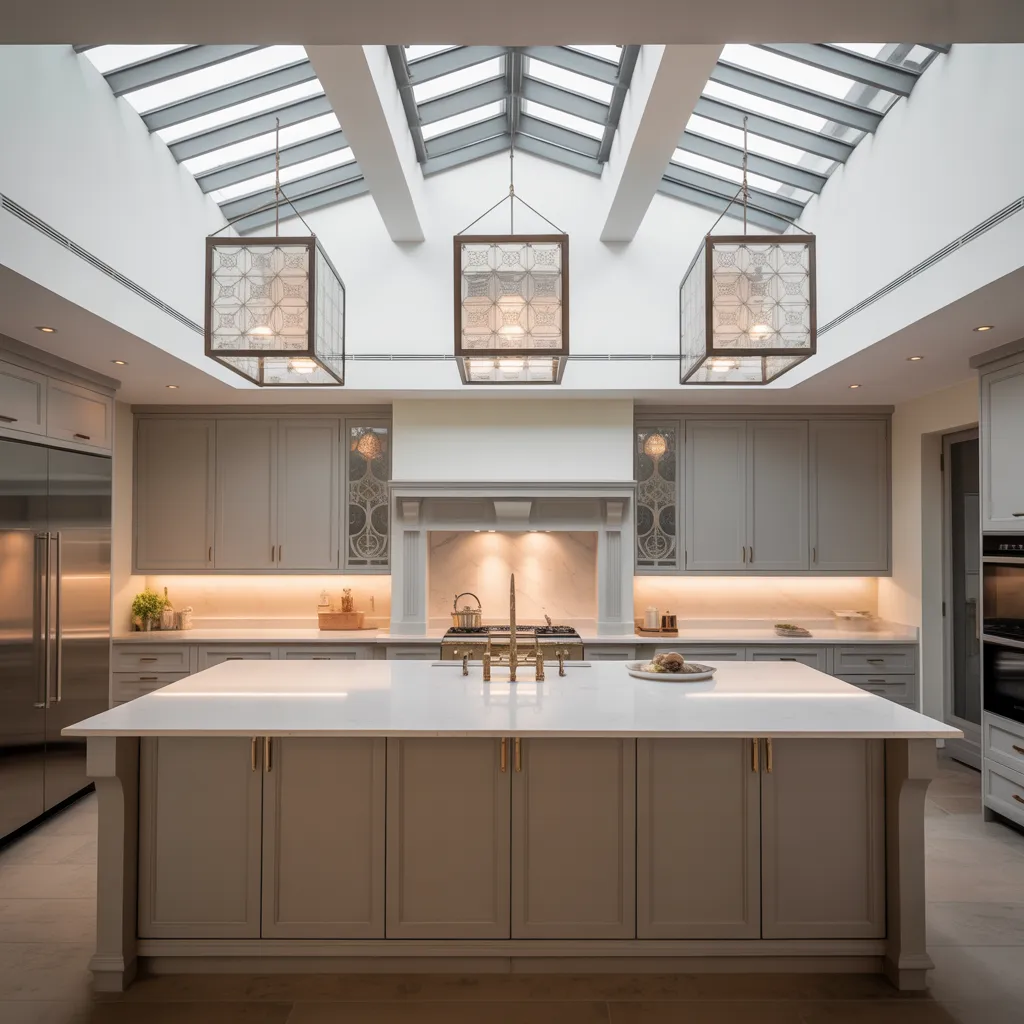
The Advantages of Installing a Modern Roof Lantern
A modern roof lantern functions as a striking architectural feature that enhances both visual appeal and practicality. By allowing natural light to flood into a space, it significantly enhances the ambiance of interiors, creating a bright and welcoming environment. This influx of natural light can reduce the reliance on artificial lighting, thus advancing energy efficiency and potentially lowering electricity bills.
Furthermore, roof lanterns can assist in controlling indoor temperatures, allowing for better air flow and ventilation. This can lead to a more comfortable living space year-round. Their versatile designs can enhance various architectural styles, rendering them appropriate for both contemporary and traditional homes.
Additionally, a roof lantern can deliver a unique focal point, commanding attention and contributing design appeal to every room. In summary, the placement of a contemporary skylight not only boosts the visual beauty of a home but also improves its practicality and energy efficiency, making it a valuable addition.
Top Roof Lantern Materials in 2026
In 2026, the choice of options for contemporary roof lanterns reflects a combination of innovation and environmental responsibility. Architects and designers increasingly favor eco-friendly options, such as reclaimed aluminum and responsibly harvested wood. These materials not only reduce environmental impact but also provide a modern appearance.
Glass remains a sought-after option, with breakthroughs in energy-saving glazing technology allowing for superior insulation and UV safeguarding. This allows homeowners to enjoy natural light while reducing energy usage.
Moreover, hybrid composites are increasing in adoption, integrating the toughness of synthetic substances with the appeal of authentic textures. This trend fulfills both functional and aesthetic needs, guaranteeing endurance without sacrificing design.
In essence, the materials opted for for roof lanterns in 2026 prioritize both structural integrity and design, crafting lovely, responsible alternatives that transform living spaces while upholding modern ecological standards.
Exceptional Roof Lantern Options to Enhance Your Interior and Exterior
Unique roof lantern styles deliver a blend of modern and timeless visual styles that can substantially improve both inside and outside areas. Contemporary geometric designs offer a refined, up-to-date look, while traditional Victorian influences lend a touch of elegance and charm. Exploring these distinct styles allows homeowners to enhance their spaces with one-of-a-kind structural features.
Current Geometric Designs
Contemporary angular patterns in roof lanterns provide a striking blend of functionality and aesthetic appeal. These modern frameworks often showcase crisp edges, angular shapes, and streamlined designs that produce a contemporary aesthetic while enhancing natural light. By utilizing elements such as glass and metal, designers provide a sleek, sophisticated finish that complements various architectural styles. The interplay of light and shadow through these geometric forms improves both indoor and outdoor spaces, creating visually engaging environments. In addition, customizable options enable homeowners to choose sizes and shapes that fit their specific needs, ensuring that each lantern functions as a unique focal point. Ultimately, contemporary geometric roof lanterns elevate spaces with their fashionable aesthetics and functional advantages.

Classic 19th-century Influences
While modern designs dominate the market, classic Victorian influences in roof lanterns continue to captivate homeowners seeking to boost their interiors and outside. Distinguished by intricate detailing, ornate edges, and elegant glasswork, these lanterns evoke a sense of timeless charm. The use of wrought iron and stained glass is frequent, reflecting the craftsmanship of the Victorian era. Homeowners appreciate how these designs create a eye-catching focal point while allowing natural light to flood spaces. In both traditional and contemporary scenarios, Victorian-style lanterns smoothly blend history with modernity, offering a unique aesthetic that complements multiple architectural styles. As the design landscape evolves, the enduring appeal of classic Victorian influences remains a significant trend in roof lantern choices.
Selecting the ideal Roof Lantern for Your Home?
When determining the perfect roof lantern for a home, homeowners should weigh both aesthetic appeal and operational advantages. The design should work with the building design of the property, whether it be contemporary, traditional, or somewhere in between. Size is another significant factor; the lantern should properly fit within the space to heighten natural light without overwhelming the room.
Material options, such as aluminum or wood, can also impact the overall look and longevity of the lantern. Homeowners should consider the type of glazing, as selections like double or triple glazing can enhance insulation and energy efficiency. Additionally, color and finish should align with existing decor to create a unified appearance.
Practical factors, such as ease of maintenance and setup needs, are equally significant. Ultimately, a properly selected roof lantern can enhance a home's interior resource while delivering enduring performance and aesthetic appeal.
Eco-friendly Roof Lantern Incorporation
Adopting sustainable practices in roof lantern development gives homeowners an opportunity to boost both aesthetics and sustainability commitments. Modern roof lanterns can be created from eco-friendly materials such as reclaimed wood and recycled aluminum, minimizing the environmental burden connected with production. In addition, designers are progressively concentrating on efficient glass solutions that enhances natural light while lowering heat loss, resulting in decreased energy expenses.
Furthermore, incorporating solar panels into roof lantern configurations allows for harnessing renewable energy, further promoting sustainability. The use of low-VOC paints and finishes guarantees healthier indoor air quality, supporting eco-conscious living.
An focus on eco-conscious design not only boosts the visual appeal of a home but also supports a growing trend towards sustainable lifestyle choices. As homeowners prioritize sustainability, roof lanterns that incorporate these principles will prove to be both aesthetically pleasing and ethical options.
Simple Care Advice for Your Roof Lantern
Regular upkeep is critical for preserving the beauty and operation of roof lanterns. To guarantee optimal performance, it is advised to clean the glass surfaces frequently using a soft cloth and a mild cleaning solution. This prevents the accumulation of dirt and grime that can block natural light. Additionally, examining the weatherstripping for deterioration is important; changing them quickly can avoid leaks and maintain energy efficiency.
Reviewing the frame and structural elements for decay and degradation will support the durability. If metallic elements reveal deterioration, applying a protective layer can lengthen their lifespan. In addition, in seasonal shifts, it is wise to remove debris such as fallen foliage and snow that may settle on the lantern.
Frequently Inquired Questions
What Are the Average Prices of Modern Roof Lanterns in 2026?
In 2026, the typical expenses of contemporary roof lanterns vary between $1,500 to $5,000, influenced by factors such as size, materials, and architectural intricacy, reflecting the changing patterns in home architecture and aesthetics.
How Do Roof Lanterns Impact Home Energy Efficiency?
Roof lanterns enhance home sustainability performance by maximizing natural light, minimizing reliance on artificial lighting. Their design can optimize ventilation, allowing for better temperature regulation, ultimately contributing to decreased power needs and more sustainable living environments.
Do Roof Lanterns function When fitted on existing Roofs?
Roof lanterns may be fitted on established roofs, as long as structural integrity is assessed. Proper fitting secures harmony with the current roofing system and optimizes natural light while enhancing aesthetic appeal and power savings in the home.
What Determines the Duration of a Modern Roof Lantern?
Modern roof lanterns typically have a lifespan of 20 to 30 years, influenced by the materials selected, how well they're maintained, and their interaction with environmental factors. Ongoing upkeep can strengthen both durability and performance throughout their service period.
Do overhead light fixtures perform well in multiple climates?
Roof lanterns may be appropriate for various climates, as long as they are properly designed and installed. Insulation, materials, and drainage considerations are crucial to ensure performance and longevity in both intense warmth and freezing conditions.